
Positive And Negative Numbers Rules Chart
Positive And Negative Numbers Rules Chart - This is the multiplication you have been doing all along, positive numbers times positive numbers equal positive numbers. • use the larger number and its sign, subtract. Web understanding of working with positive and negative numbers/integers. On the number line positive goes to the right and negative to the left. They can be represented on a number line. It’s a handy reference for students who are working on negative and positive integers in math. Web also known as operations for signed numbers, these steps can help you avoid confusion and solve math problems as quickly — and correctly — as possible. An absolute value is never negative. The answer is 5 x 3 = 15. In this tutorial, we will look at how this can be achieved. Web the numbers, 1, 2, 3, 4. Improve your math skills with tips for addition, subtraction, multiplication, and division. Addition (+) positive + positive = positive. Web understanding of working with positive and negative numbers/integers. Web in terms of a number line, positive numbers are located to the right of zero, while negative numbers are located to the left of zero. This is the number line: They can be represented on a number line. Web positive and negative numbers. • use the larger number and its sign, subtract. Division can be shown as a fraction. • use the larger number and its sign, subtract. A number line is helpful to visualise what happens when we add and subtract. Addition (+) positive + positive = positive. For example, 5 x 3 = 15. If the signs are the same, add and keep the same sign. Is equal to then multiply by gives. It serves as the starting point on the number line. If you understand the nature of below zero temperatures, you can understand negative numbers. (positive ) when more integers are involved work the calculations from left to right. Our lessons about integers are part of our interactive math units. Subtract the smaller number from the larger number and use the sign of the larger number. On the number line positive goes to the right and negative to the left. Numbers can be positive or negative. • use the larger number and its sign, subtract. If a number has no sign it usually means that it is a positive number. (positive ) when more integers are involved work the calculations from left to right. An absolute value is never negative. Addition (+) positive + positive = positive. Learn about numbers below 0 and how they relate to positive numbers. Positive + negative or negative + positive. Web get the definitions of positive and negative numbers and learn the rules for addition, subtraction, multiplication, and division. Web the numbers, 1, 2, 3, 4. On a number line, negative numbers are represented on the left side of zero. Addition (+) positive + positive = positive. Add helper columns and calculate positive and negative values. Subtract the smaller number from the larger number and use the sign of the larger number. Numbers can be positive or negative. This is the multiplication you have been doing all along, positive numbers times positive numbers equal positive numbers. Try the sliders below and see what happens: Follow these rules to determine the best way to add, subtract, multiply,. For example, 5 x 3 = 15. It serves as the starting point on the number line. Web positive and negative numbers. Numbers can be positive or negative. Web subtract (find the difference) of the absolute value of the numbers. This is the number line: The answer is 5 x 3 = 15. In this tutorial, we will look at how this can be achieved. It’s a handy reference for students who are working on negative and positive integers in math. Is equal to then multiply by gives. The answer is 5 x 3 = 15. Numbers can be positive or negative. Add, subtract, multiply and divide negative numbers. (+) + (+) = add the numbers and the answer is positive (‐) + (‐) = add the numbers and the answer is negative. Division can be shown as a fraction. On a number line, negative numbers are represented on the left side of zero. If a number has no sign it usually means that it is a positive number. If you understand the nature of below zero temperatures, you can understand negative numbers. Improve your math skills with tips for addition, subtraction, multiplication, and division. On the number line positive. Using our math units to teach integers. (+) + (+) = add the numbers and the answer is positive (‐) + (‐) = add the numbers and the answer is negative. On the number line positive goes to the right and negative to the left. Negative + negative = negative. A positive number times a positive number equals a positive number. Let us learn more about negative numbers in this lesson. In this tutorial, we will look at how this can be achieved. Addition (+) positive + positive = positive. Exponents are sometimes referred to as powers and mean the number of times the 'base' is being Is equal to then multiply by gives. Subtract the smaller number from the larger number and use the sign of the larger number. Try the sliders below and see what happens: Add helper columns and calculate positive and negative values. They can be represented on a number line. 5 is a positive number, 3 is a positive number and multiplying equals a positive number: For example, 5 x 3 = 15.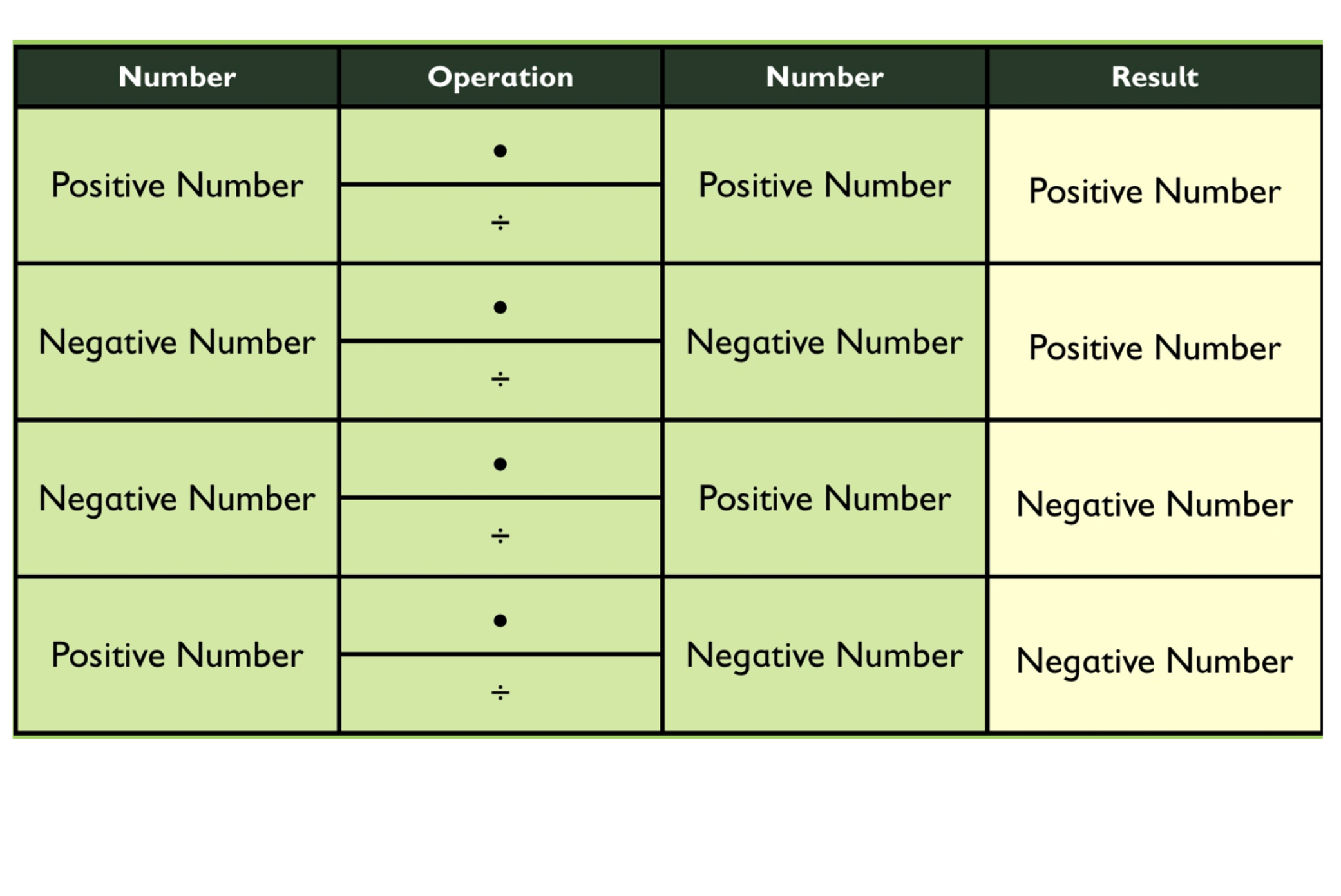
Math, Grade 7, Working With Rational Numbers, Multiplication & Division

Integer Rules Visual References for Addition and Subtraction Math

Negative Numbers Classroom Posters for Math Gcse math, Studying

Rules for Positive and Negative Numbers
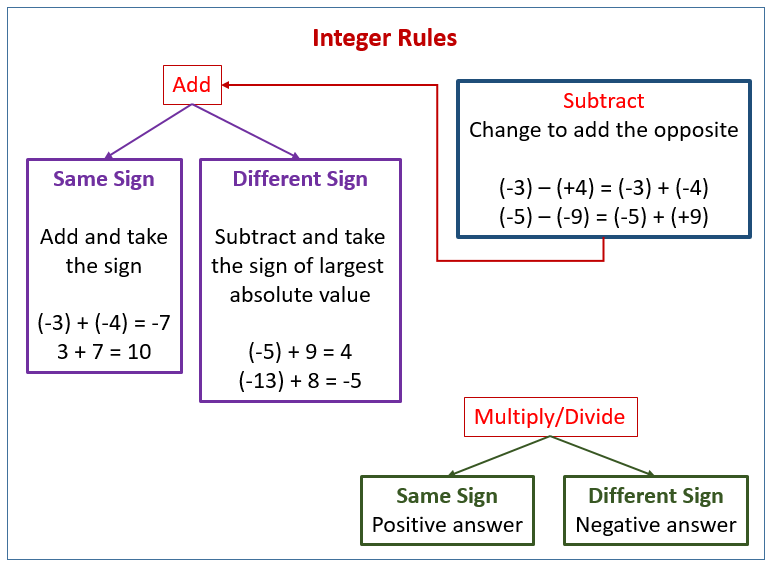
Integer Rules Songs (examples, solutions, videos, worksheets, games
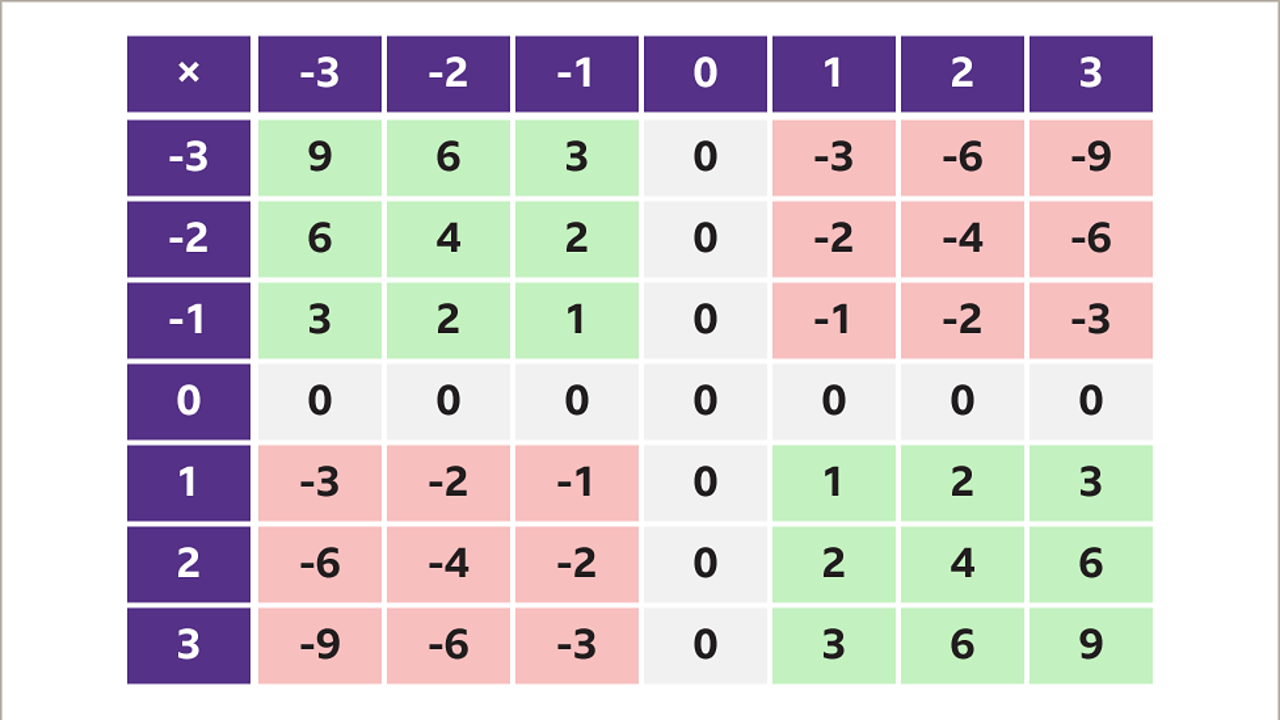
How to multiply and divide positive and negative numbers KS3 Maths
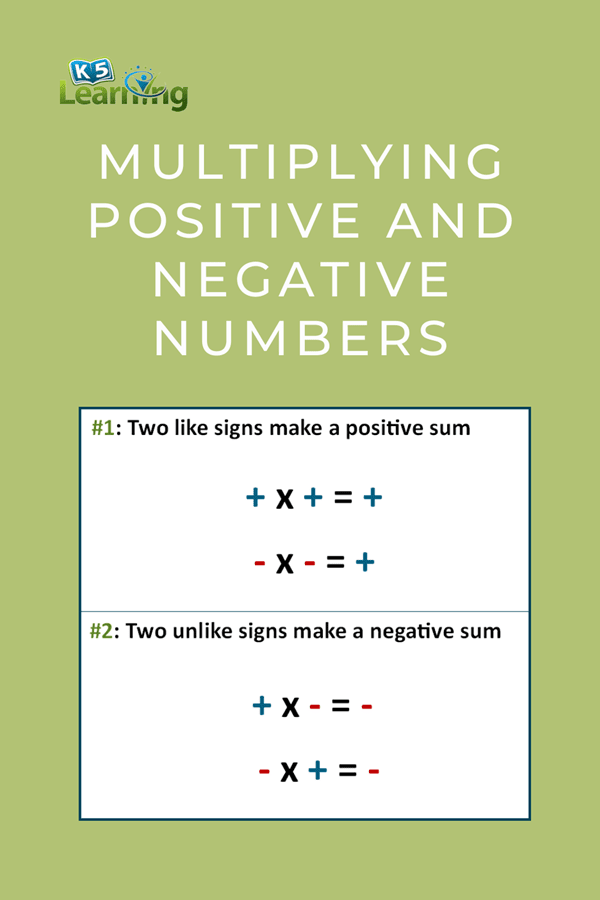
Multiplying Positive and Negative Numbers 3 Simple Rules K5 Learning

Rules for Positive and Negative Numbers
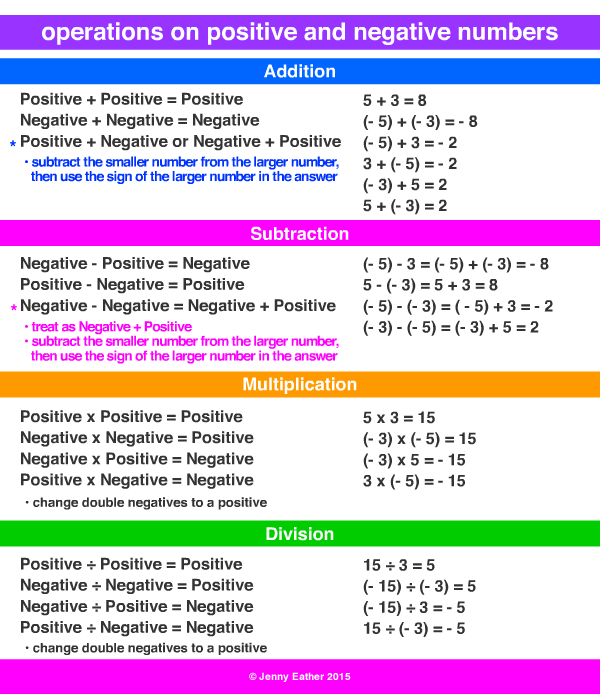
operations with positive and negative numbers A Maths Dictionary for
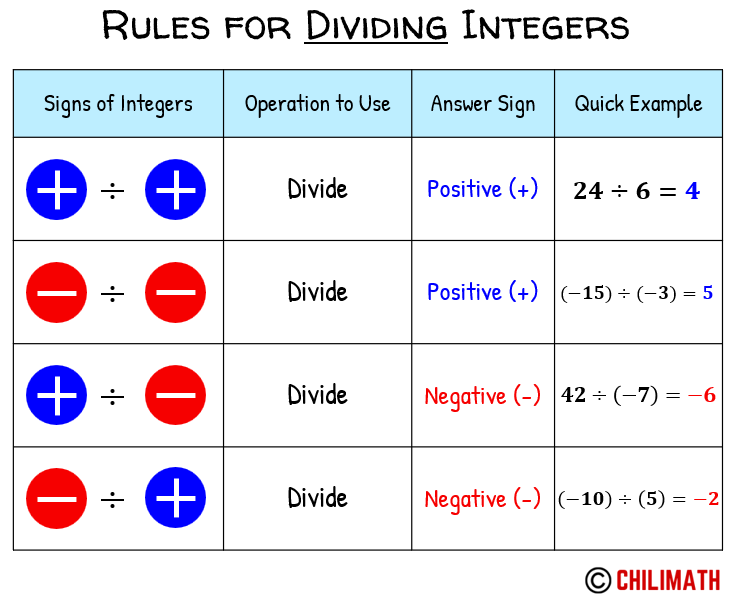
Division of Integers ChiliMath
It’s A Handy Reference For Students Who Are Working On Negative And Positive Integers In Math.
(Positive ) When More Integers Are Involved Work The Calculations From Left To Right.
Web Learn About The Rules Of Positive And Negative Integers.
An Absolute Value Is Never Negative.
Related Post: