
Muscle Origin And Insertion Chart
Muscle Origin And Insertion Chart - The muscles of the anterior neck are arranged to facilitate swallowing and speech. Finally, a reliable source (and good looking too!). Abduct and palmar interosseous mm. Medial half of clavicle, front of sternum, costal. Muscle name origin insertion action innervation. Web muscles that flex knee (hamstrings work as a group, as when pulling back in preparation to kick a ball) action. Unilateral contraction bends neck towards shoulder or laterally rotates head. Occipital bone and spinous processes of cervical and thoracic vertebrae. Bilateral contraction flexes head at neck; Web the functions of these muscles include extension, flexion, rotation, elevation, retraction, and stabilization of the vertebral column and neck. Web to use and fully illustrated with more than 500 drawings, this compact reference provides a complete profile for each muscle, clearly showing its origin, insertion, nerve supply, and action, the movements that use it, and, where appropriate, exercises that. Pressing cheek inward, compressing air while blowing. The muscle arises mainly from the flexor retinaculum and tubercle of the trapezium and inserts onto the proximal phalanx or metacarpal of the thumb. Web axial muscles originate on the axial skeleton (the bones in the head, neck, and core of the body), whereas appendicular muscles originate on the bones that make up the body’s limbs. Acromion, spine of scapula, lateral third of clavicle. Keep in mind that to describe an action, you must name the movement, and name either the part of the body that is moving or the joint at which the movement occurs. Muscles from lab pack with actions, origins and insertions: In our cheat sheets, you’ll find the origin (s) and insertion (s) of every muscle. Web study with quizlet and memorize flashcards containing terms like pectoralis major/ located in the arm, clavicle, sternum, and costal cartilages of upper ribs, humerus and more. Stabilizes, elevates, retracts, rotates scapula. Web a skeletal muscle attaches to bone (or sometimes other muscles or tissues) at two or more places. If the place is a bone that remains immobile for an action, the attachment is called an origin. If the place is on the bone that moves. The location where the muscle attaches to the bone that is moved by the contraction. Keep in mind that to describe an action, you must name the movement, and name either the part of the body that is moving or the joint at which the movement occurs. Web the muscle origin is considered the anchor or start point of the muscle, usually located on the immovable (or less movable) bone, while the muscle insertion refers. The muscle arises mainly from the flexor retinaculum and tubercle of the trapezium and inserts onto the proximal phalanx or metacarpal of the thumb. Extends hip, flexes knee, laterally rotates leg. This document provides information on back muscles including their origin, insertion, action, and innervation. Stabilizes, elevates, retracts, rotates scapula. The location where the muscle attaches to the bone that. A muscle’s origin is usually at the attachment of its tendon to the bone with greater mass and stability. Web to use and fully illustrated with more than 500 drawings, this compact reference provides a complete profile for each muscle, clearly showing its origin, insertion, nerve supply, and action, the movements that use it, and, where appropriate, exercises that. In. Opening the mouth, sliding the lower jaw right and left. Web to use and fully illustrated with more than 500 drawings, this compact reference provides a complete profile for each muscle, clearly showing its origin, insertion, nerve supply, and action, the movements that use it, and, where appropriate, exercises that. Web the functions of these muscles include extension, flexion, rotation,. Web each muscle has an origin and an insertion point. Occipital bone and spinous processes of cervical and thoracic vertebrae. If the place is a bone that remains immobile for an action, the attachment is called an origin. Medial half of clavicle, front of sternum, costal. Mastoid process of temporal bone. Web study with quizlet and memorize flashcards containing terms like pectoralis major/ located in the arm, clavicle, sternum, and costal cartilages of upper ribs, humerus and more. Pressing cheek inward, compressing air while blowing. Web the functions of these muscles include extension, flexion, rotation, elevation, retraction, and stabilization of the vertebral column and neck. In our cheat sheets, you’ll find. In our cheat sheets, you’ll find the origin (s) and insertion (s) of every muscle. Web muscles that flex knee (hamstrings work as a group, as when pulling back in preparation to kick a ball) action. Web axial muscles originate on the axial skeleton (the bones in the head, neck, and core of the body), whereas appendicular muscles originate on. Web each muscle has an origin and an insertion point. A muscle’s origin is usually at the attachment of its tendon to the bone with greater mass and stability. Web the functions of these muscles include extension, flexion, rotation, elevation, retraction, and stabilization of the vertebral column and neck. Muscle origins and insertions can be described as the anchor end. There are three types of muscle tissue in the body: The muscle arises mainly from the flexor retinaculum and tubercle of the trapezium and inserts onto the proximal phalanx or metacarpal of the thumb. Web each muscle has an origin and an insertion point. Extends hip, flexes knee, laterally rotates leg. Learn with flashcards, games, and more — for free. Mastoid process of temporal bone. This document provides information on back muscles including their origin, insertion, action, and innervation. Unilateral contraction bends neck towards shoulder or laterally rotates head. The location where the muscle attaches to the bone that is moved by the contraction of the muscle is called the insertion. Opening the mouth, sliding the lower jaw right and left. Extends hip, flexes knee, laterally rotates leg. Pressing cheek inward, compressing air while blowing. Web the origin is the location where a muscle attaches to a fixed (or stabilized) bone with respect to the joint the muscle is acting on. Bilateral contraction flexes head at neck; Muscle origins and insertions can be described as the anchor end [origin] and the most mobile end [insertion] when the muscle shortens. Web each muscle has an origin and an insertion point. Web the muscle origin is considered the anchor or start point of the muscle, usually located on the immovable (or less movable) bone, while the muscle insertion refers to the endpoint, attached to the bone that will be moved when the muscle contracts. Muscle name origin insertion action innervation. Web to use and fully illustrated with more than 500 drawings, this compact reference provides a complete profile for each muscle, clearly showing its origin, insertion, nerve supply, and action, the movements that use it, and, where appropriate, exercises that. Acromion, spine of scapula, lateral third of clavicle. Crest of greater tubercle (lateral.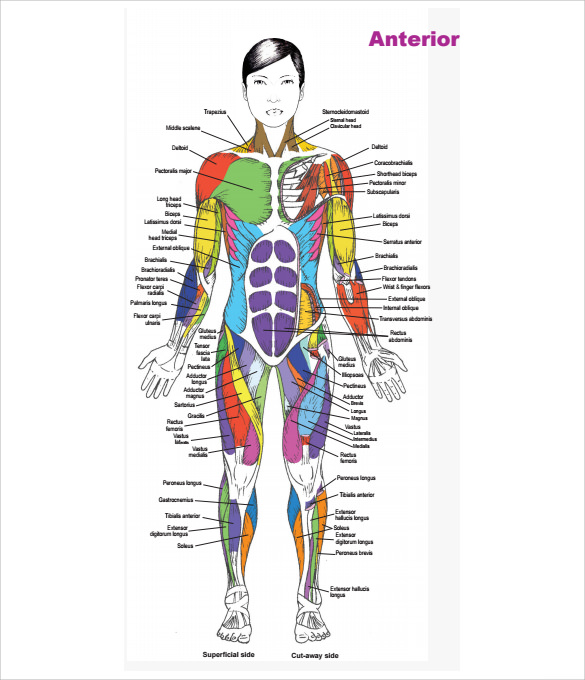
FREE 7+ Sample Muscle Chart Templates in PDF

Muscle Origin Insertion Action Chart amulette

MUSCLE CHART WITH ORIGIN AND INSERTION

Chart of Muscle Origin Insertion Action
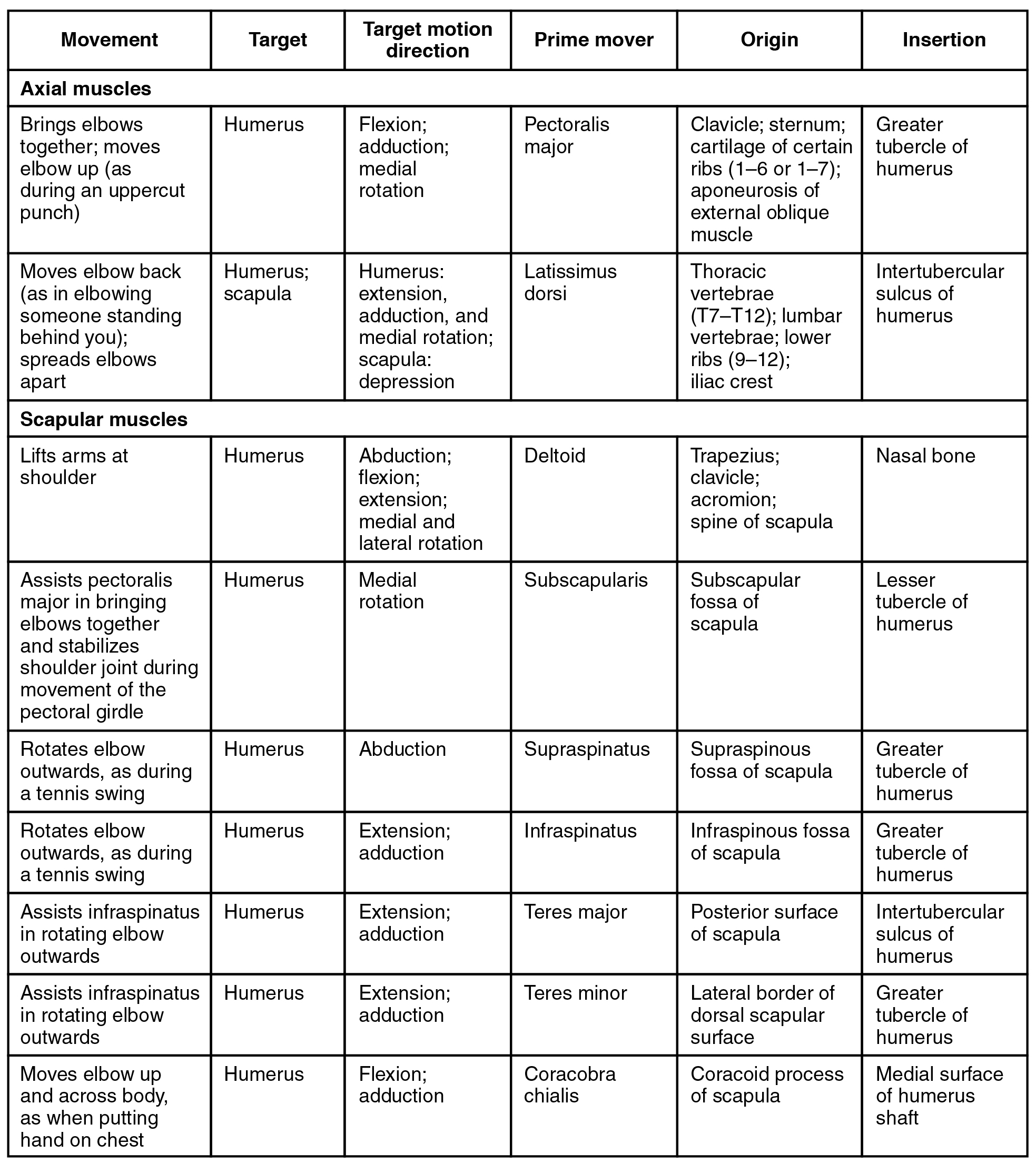
Muscle Origin Insertion Action Chart amulette
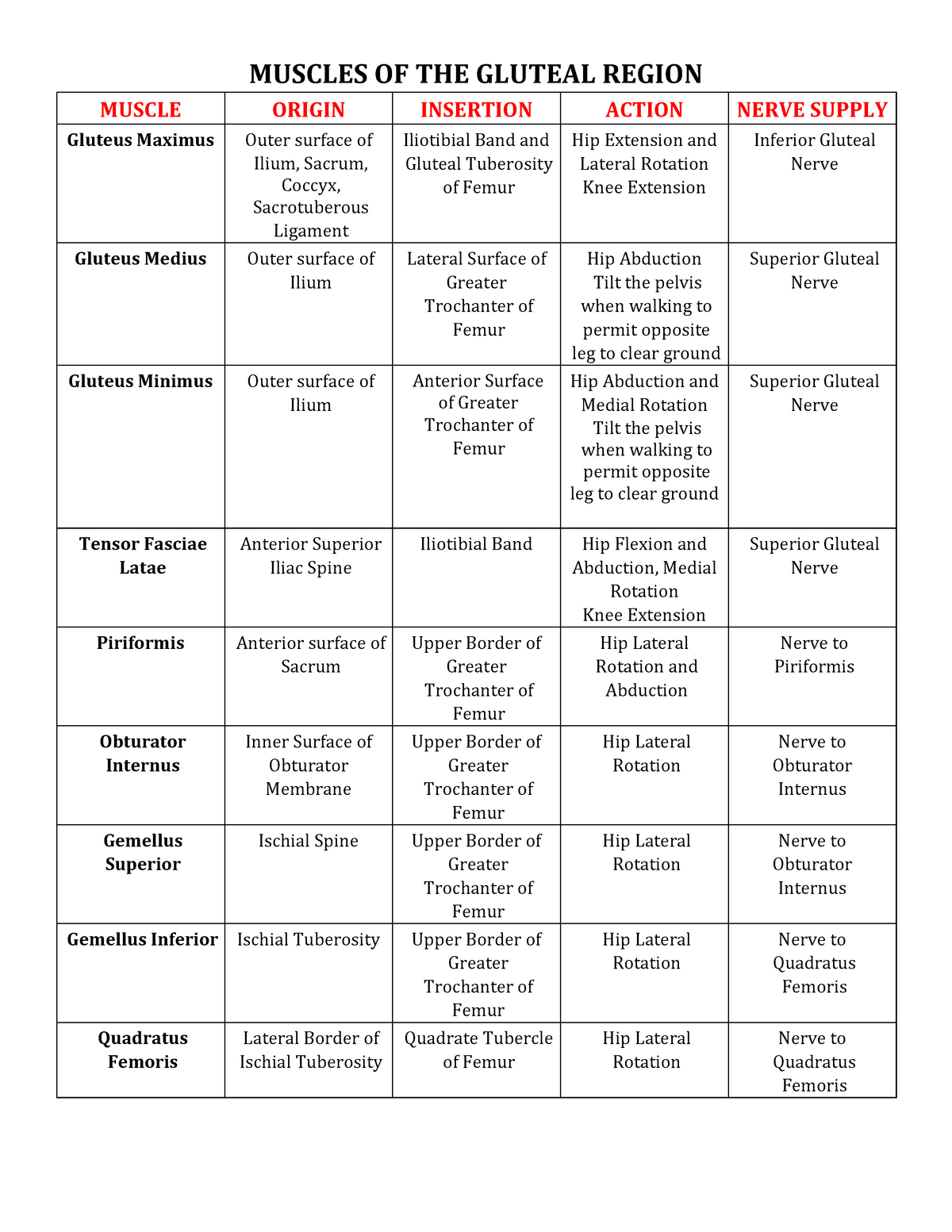
Muscle Origin And Insertion Chart
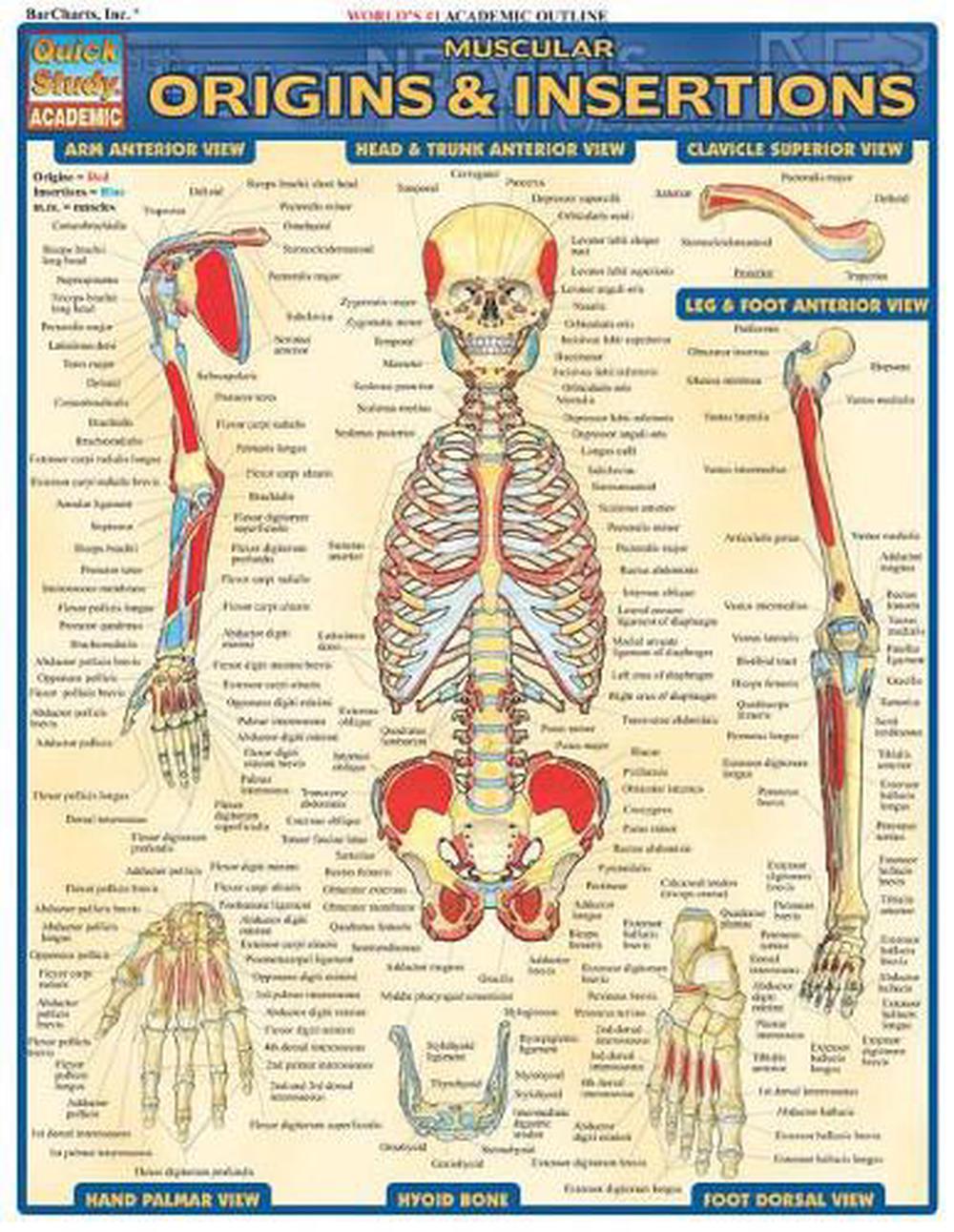
Muscular Origins & Insertions Laminate Reference Chart by Inc BarCharts
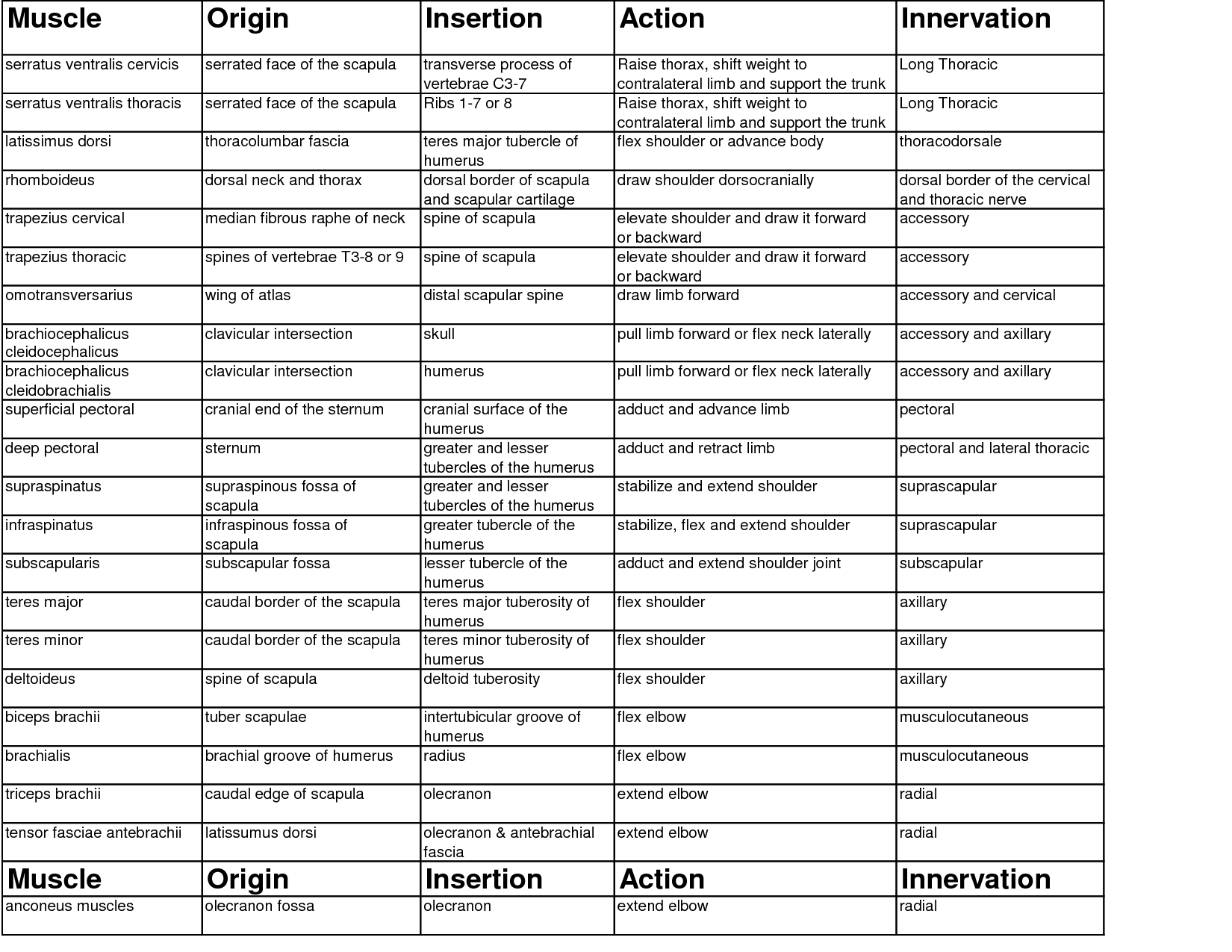
Muscle Origin Insertion Action Chart amulette
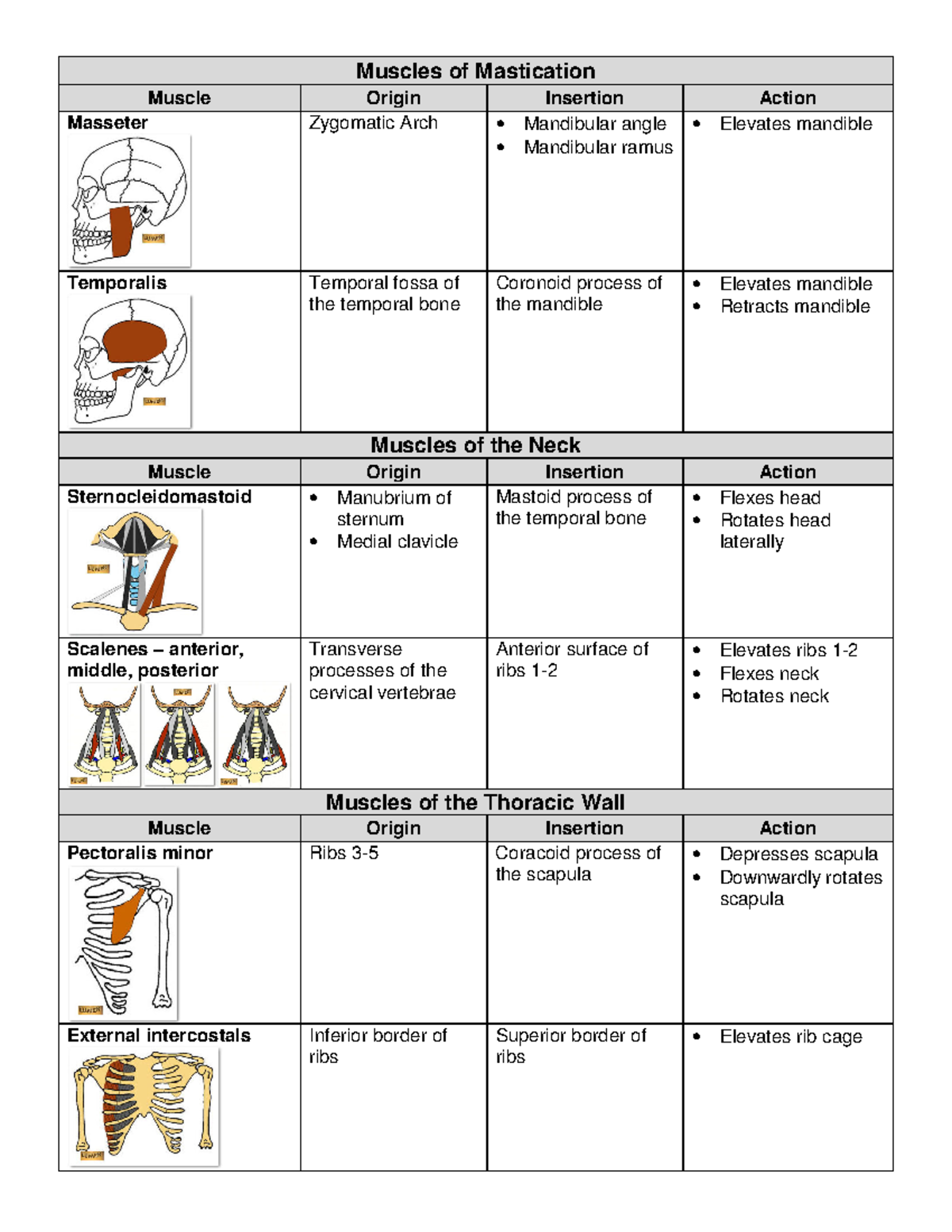
Muscle Origin and Insertions Muscles of Mastication Muscle Origin

SOLUTION Muscle origin insertion and action list charts Studypool
Web A Skeletal Muscle Attaches To Bone (Or Sometimes Other Muscles Or Tissues) At Two Or More Places.
The Muscles Of The Anterior Neck Are Arranged To Facilitate Swallowing And Speech.
In Our Cheat Sheets, You’ll Find The Origin (S) And Insertion (S) Of Every Muscle.
Keep In Mind That To Describe An Action, You Must Name The Movement, And Name Either The Part Of The Body That Is Moving Or The Joint At Which The Movement Occurs.
Related Post: