
Fable Anchor Chart
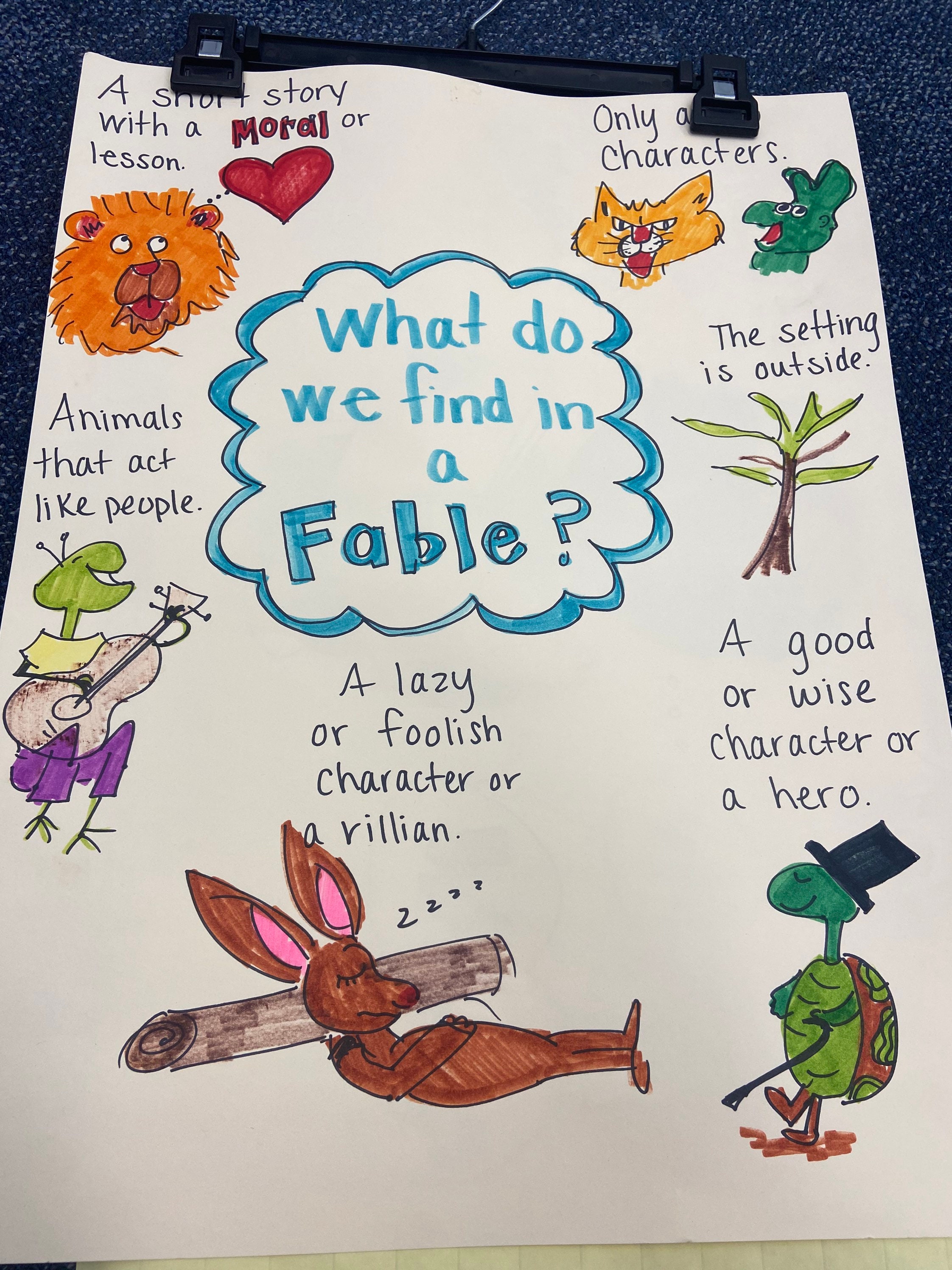
Fable Anchor Chart - Web this resource is perfect for introducing, explaining, or reteaching the various genres of folktales including myths, legends, fairytales and fables. Explore different fables and their characteristics with this educational resource. These anchor charts are aligned with ks2 narrative and writing composition. Web each poster can be used as an anchor chart, or use them to decorate bulletin boards, reading areas, or to label your classroom library! These engaging and colorful anchor charts will capture the attention of your class. Web a helpful anchor chart for teaching fables in the classroom. Determine the central message, lesson, or moral and explain how it is conveyed through key details in. Learn how to create and use anchor charts to teach folktales, including fables, to students. Web teaching kids the difference between the different types of traditional literature can be confusing. English language arts (ela) (1061934) main content: Web recount stories, including fables, folktales, and myths from diverse cultures; Determine the central message, lesson, or moral and explain how it is conveyed through key details in. Web each poster can be used as an anchor chart, or use them to decorate bulletin boards, reading areas, or to label your classroom library! The students will then get their own copy for future guidance. This activity helps you create a folktale anchor chart with your kids to. Student engagement read aloud strategies. Great way to start discussions / remind students about what fables. Web use exciting anchor charts to teach your class about fables! These engaging and colorful anchor charts will capture the attention of your class. Web display this anchor chart in your classroom to help your students learn the characteristics of a fable. These engaging and colorful anchor charts will capture the attention of your class. Web use exciting anchor charts to teach your class about fables! Learn how to create and use anchor charts to teach folktales, including fables, to students. This mini anchor chart is perfect to post in the classroom for your students to refer back to after a lesson. Listed on 04 jan, 2024 Web this resource is perfect for introducing, explaining, or reteaching the various genres of folktales including myths, legends, fairytales and fables. Student engagement read aloud strategies. Web teaching kids the difference between the different types of traditional literature can be confusing. The students will then get their own copy for future guidance. Web teaching kids the difference between the different types of traditional literature can be confusing. English language arts (ela) (1061934) main content: Web download and print ten fable stories with illustrations and morals for your primary english classroom. Determine the central message, lesson, or moral and explain how it is conveyed through key details in. Web this marker drawings &. Find free resources, examples and ideas for different ways of approachin… Perfect for 1st grade students. Web recount stories, including fables, folktales, and myths from diverse cultures; This mini anchor chart is perfect to post in the classroom for your students to refer back to after a lesson on fables! This activity helps you create a folktale anchor chart with. Web teaching kids the difference between the different types of traditional literature can be confusing. Student engagement read aloud strategies. Web first, i made this anchor chart to help my students understand the similarities and differences between fables and folk tales. Listed on 04 jan, 2024 Web recount stories, including fables, folktales, and myths from diverse cultures; Why are we reading fables? Web create an anchor chart on the board to review the characteristics of fables with the class. These anchor charts are aligned with ks2 narrative and writing composition. The students will then get their own copy for future guidance. Great way to start discussions / remind students about what fables. Web download and print ten fable stories with illustrations and morals for your primary english classroom. Why are we reading fables? These engaging and colorful anchor charts will capture the attention of your class. Great way to start discussions / remind students about what fables. Web this resource is perfect for introducing, explaining, or reteaching the various genres of folktales. Why are we reading fables? This activity helps you create a folktale anchor chart with your kids to. This mini anchor chart is perfect to post in the classroom for your students to refer back to after a lesson on fables! Web recount stories, including fables, folktales, and myths from diverse cultures; Student engagement read aloud strategies. This mini anchor chart is perfect to post in the classroom for your students to refer back to after a lesson on fables! Web create an anchor chart on the board to review the characteristics of fables with the class. Plus you will get a genre outline &. Explore different fables and their characteristics with this educational resource. Web reading. Why are we reading fables? Learn how to create and use anchor charts to teach folktales, including fables, to students. Web use exciting anchor charts to teach your class about fables! The students will then get their own copy for future guidance. This mini anchor chart is perfect to post in the classroom for your students to refer back to. Web a helpful anchor chart for teaching fables in the classroom. Web display this anchor chart in your classroom to help your students learn the characteristics of a fable. Web each poster can be used as an anchor chart, or use them to decorate bulletin boards, reading areas, or to label your classroom library! Learn how to create and use anchor charts to teach folktales, including fables, to students. Web use exciting anchor charts to teach your class about fables! Web reading fables with your students? Web create an anchor chart on the board to review the characteristics of fables with the class. This mini anchor chart is perfect to post in the classroom for your students to refer back to after a lesson on fables! English language arts (ela) (1061934) main content: Why are we reading fables? Web first, i made this anchor chart to help my students understand the similarities and differences between fables and folk tales. Perfect for 1st grade students. This activity helps you create a folktale anchor chart with your kids to. Web this marker drawings & illustrations item by anchorchartsbysa has 20 favorites from etsy shoppers. Web download and print ten fable stories with illustrations and morals for your primary english classroom. Web teaching kids the difference between the different types of traditional literature can be confusing.
Fables Anchor Chart by Teach Simple

Fables anchor chart for 4th grade … Ela anchor charts, Teaching

Fables anchor chart Fables anchor chart, Anchor charts, Reading lessons
Fable Anchor Chart Etsy UK

Fables Anchor Chart ELA Block Reading anchor charts, Reading genres

What do we find in a fable? This visual lists the important aspects of

Fables Anchor Chart by Teach Simple

Mrs. Coffee's 2nd Grade Class Fables

Fables anchor chart Kindergarten anchor charts, Classroom anchor

Fables anchor chart Anchor charts first grade, Kindergarten anchor
These Anchor Charts Are Aligned With Ks2 Narrative And Writing Composition.
Web Recount Stories, Including Fables, Folktales, And Myths From Diverse Cultures;
Find Free Resources, Examples And Ideas For Different Ways Of Approachin…
Explore Different Fables And Their Characteristics With This Educational Resource.
Related Post: