
Density Of Liquids Chart
Density Of Liquids Chart - Lines marked on the stem show how far the bulb sinks in the liquid. In this guide we explain water density, provide a chart you can use to find the density of water at different temperatures, and explain three different ways to calculate density. Web accurate thermophysical properties are available for several fluids. Web table 14.2 shows the density of water in various phases and temperature. Web the density of a liquid can be found by determining the mass of a sample of the liquid and dividing it by the volume. Web physical properties of some typical liquids. Table 14.2 shows the density of water in various phases and temperature. The density of water increases with decreasing temperature, reaching a maximum at 4.0 ° c, 4.0 ° c, and then decreases as the temperature falls below 4.0 ° c 4.0 ° c. Another method is to use a balance and a graduated cylinder to measure the mass and volume of a sample of the liquid and calculate the density using the formula density. Web table of data giving the density of many common liquid substances used in process industries. It's easy to compare the densities of solids, liquids, and gases and construct a density column. Table 14.2 shows the density of water in various phases and temperature. Another method is to use a balance and a graduated cylinder to measure the mass and volume of a sample of the liquid and calculate the density using the formula density. Web this page titled 11.2: Data from kaye and laby, 14th ed and the crc handbook. If you weigh equal amounts or volumes of two different liquids, the liquid that weighs more is more dense. A typical hydrometer consists of a weighted bulb with a cylindrical stem. Web definitions, online calculator and figures and tables with water properties like density, specific weight and thermal expansion coefficient of liquid water at temperatures ranging 0 to 360°c (32 to 680°f). Web fluid flow table of contents. Web explore a comprehensive table of density values for different liquids in both grams per milliliter (g/ml) and pounds per cubic foot (lb/ft³) units. If you weigh equal amounts or volumes of two different liquids, the liquid that weighs more is more dense. Web fluid flow table of contents. Web the density of solids and liquids normally increase with decreasing temperature. Lines marked on the stem show how far the bulb sinks in the liquid. Web find the density of liquid water at different. It's easy to compare the densities of solids, liquids, and gases and construct a density column. In this guide we explain water density, provide a chart you can use to find the density of water at different temperatures, and explain three different ways to calculate density. Web the density of a liquid can be found by determining the mass of. Web the density of the liquid can be determined by measuring the depth of the bulb in the liquid and using a conversion chart to translate this measurement into a density value. For vapour pressure kpa, density, kinematic viscosity at specified temperature. Miedema (tu delft open textbooks) via source content that was edited to the. Lines marked on the stem. Another method is to use a balance and a graduated cylinder to measure the mass and volume of a sample of the liquid and calculate the density using the formula density. In this experiment, you will identify three unknown liquids by their densities. Web the density of solids and liquids normally increase with decreasing temperature. Miedema (tu delft open textbooks). In this experiment, you will identify three unknown liquids by their densities. The easiest way to measure the density of a liquid, including water, is to use a hydrometer. The symbol most often used for density is ρ (the lower case greek letter rho), although the latin letter d can also be used. Web accurate thermophysical properties are available for. Miedema (tu delft open textbooks) via source content that was edited to the. It's easy to compare the densities of solids, liquids, and gases and construct a density column. Another method is to use a balance and a graduated cylinder to measure the mass and volume of a sample of the liquid and calculate the density using the formula density.. In this guide we explain water density, provide a chart you can use to find the density of water at different temperatures, and explain three different ways to calculate density. Web physical properties of some typical liquids. Table 14.2 shows the density of water in various phases and temperature. Web density of common fluids. Web the density of water is. Web how to find density of a liquid. The easiest way to measure the density of a liquid, including water, is to use a hydrometer. Web this page titled 11.2: Table 14.2 shows the density of water in various phases and temperature. Lines marked on the stem show how far the bulb sinks in the liquid. Web reference material contains the values of the densities of various liquids at a given temperature A typical hydrometer consists of a weighted bulb with a cylindrical stem. Web here is a table of density of common materials. Web how can you figure out the density of other objects and liquids? Density is a physical characteristic of a material, just. Web find a comparative table of densities of common substances at different phases and learn about the factors that affect density. Web explore a comprehensive table of density values for different liquids in both grams per milliliter (g/ml) and pounds per cubic foot (lb/ft³) units. Web definitions, online calculator and figures and tables with water properties like density, specific weight. If you weigh equal amounts or volumes of two different liquids, the liquid that weighs more is more dense. The easiest way to measure the density of a liquid, including water, is to use a hydrometer. Web here is a table of density of common materials. In this experiment, you will identify three unknown liquids by their densities. Web the density of a liquid can be found by determining the mass of a sample of the liquid and dividing it by the volume. Web table 14.2 shows the density of water in various phases and temperature. Miedema (tu delft open textbooks) via source content that was edited to the. For vapour pressure kpa, density, kinematic viscosity at specified temperature. Web the density of solids and liquids normally increase with decreasing temperature. Web explore a comprehensive table of density values for different liquids in both grams per milliliter (g/ml) and pounds per cubic foot (lb/ft³) units. Web fluid flow table of contents. The density of water increases with decreasing temperature, reaching a maximum at 4.0 ° c, 4.0 ° c, and then decreases as the temperature falls below 4.0 ° c 4.0 ° c. It's easy to compare the densities of solids, liquids, and gases and construct a density column. The symbol most often used for density is ρ (the lower case greek letter rho), although the latin letter d can also be used. Γ = 1.940 [sl/ft 3] * 32.174 [ft/s 2] = 1.940 [lb f ]/ ( [ft/s 2 ]* [ft 3 ]) * 32.174 [ft/s 2] = 62.4 [lb f /ft 3] see more about the difference between. Web accurate thermophysical properties are available for several fluids.
Density of the liquids before shipping to the laboratories Download Table
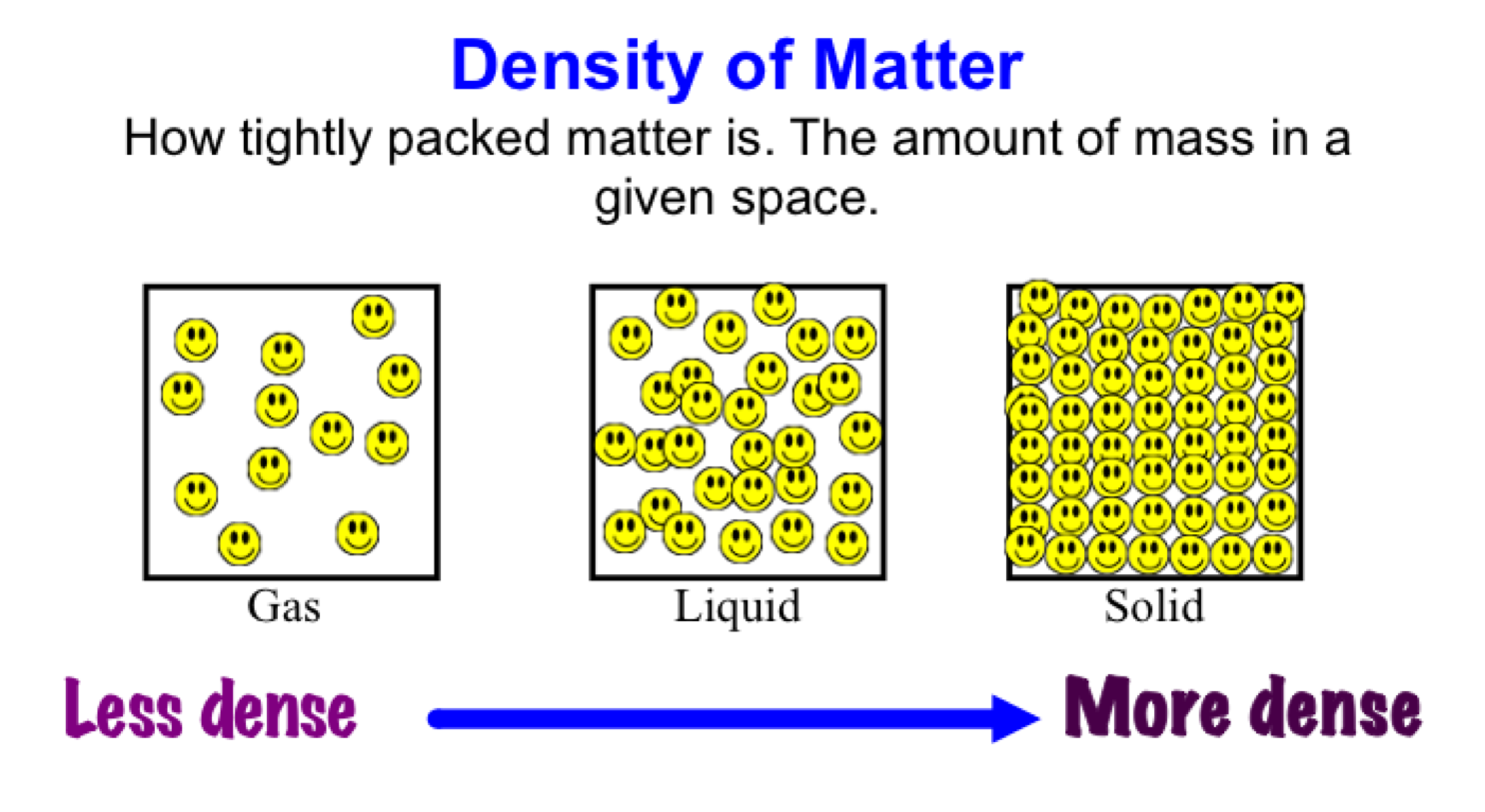
Measuring The Density Of A Liquid

Density Chart For Liquids

Liquid Density Chart G/ml
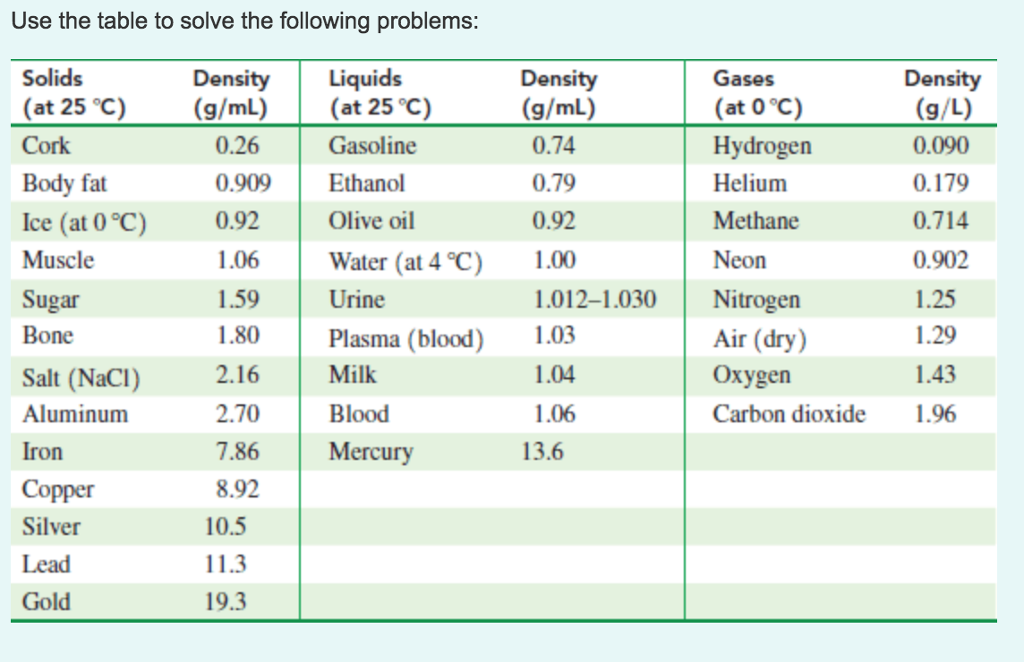
Density Of Liquids Chart
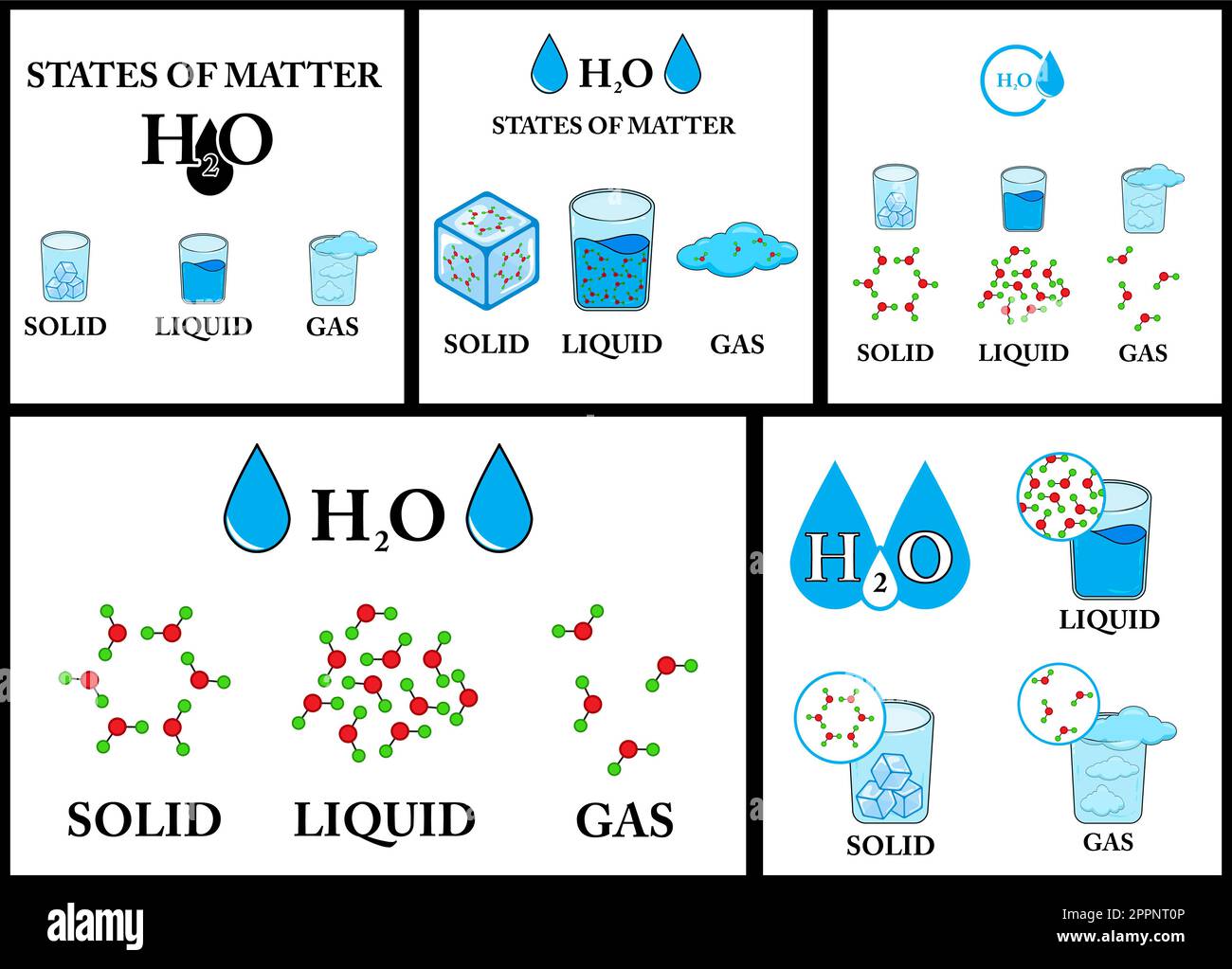
Density Of Liquids Chart

Liquid Density Chart

Density Of Liquids Chart

Density Chart For Liquids

Liquid Density Chart
Web Physical Properties Of Some Typical Liquids.
Web Density (Volumetric Mass Density Or Specific Mass) Is A Substance's Mass Per Unit Of Volume.
Lines Marked On The Stem Show How Far The Bulb Sinks In The Liquid.
Web Definitions, Online Calculator And Figures And Tables With Water Properties Like Density, Specific Weight And Thermal Expansion Coefficient Of Liquid Water At Temperatures Ranging 0 To 360°C (32 To 680°F).
Related Post: