
Astigmatism Axis Chart
Astigmatism Axis Chart - Web axis refers to the position of astigmatism in the eyes. Think of meridians as lines connecting numbers on the opposite sides of a clock. This makes your vision blurry. Don’t worry, though, because having astigmatism is a common refractive error and can often be resolved with a pair of prescription lenses. To find your level of astigmatism, look at the cylinder (cyl) number on your glasses prescription. Web astigmatism is a common eye condition that causes blurry vision. The top number is the standardized testing distance (20 feet) and the bottom number is the smallest letter size read. Online tests often use the “tumbling e” method. ( illustrative video) in most cases, astigmatism is caused by unequal curves in different meridians of the cornea. It’s a type of refractive error that causes blurred vision at all distances. In a normal eye, the cornea and lens at the front of the eye are round and evenly curved, like a basketball. You can look at letters on a chart to see how sharp your vision is. Web astigmatism occurs when the cornea (a transparent layer in front of the pupil that focuses light into the eye) or lens (sits behind the pupil and helps light focus onto the retina) has an irregular shape. The line and dial tests will tell you whether. Web if astigmatism or another eye problem is found, see an ophthalmologist to get the right treatment. Web axis refers to the position of astigmatism in the eyes. Web how much astigmatism you have determines how your vision is affected. If you think of the eye as a map hanging on a wall, the 90 degree axis or line, runs up and down (or north to south) on the eye. They can help you figure out whether you have nearsightedness, farsightedness or. Web when you read letters on a distance chart, you are measuring your visual acuity. You can look at letters on a chart to see how sharp your vision is. In a normal eye, the cornea and lens at the front of the eye are round and evenly curved, like a basketball. Experts think the condition is genetic, meaning i f you have it, you're more likely to pass it on to your children. Astigmatism. To find your level of astigmatism, look at the cylinder (cyl) number on your glasses prescription. You will be asked to read letters on an eye chart. Astigmatism is the medical term that means the shape of your eye is more curved than it should be. If you think of the eye as a map hanging on a wall, the. If you don’t have cyl values listed in your prescription, then you don’t have astigmatism. Web the best and most accurate way to test your astigmatism is to have your eyes properly refracted by your eye care professional (either your optometrist or ophthalmologist). The top number is the standardized testing distance (20 feet) and the bottom number is the smallest. The astigmatism severity scale ranges from mild (less than 1.00 diopter) to extreme (more than 3.00 diopters). Think of meridians as lines connecting numbers on the opposite sides of a clock. They can help you figure out whether you have nearsightedness, farsightedness or. Web how much astigmatism you have determines how your vision is affected. Astigmatism affects how the eye. If you think of the eye as a map hanging on a wall, the 90 degree axis or line, runs up and down (or north to south) on the eye. You can look at letters on a chart to see how sharp your vision is. Web astigmatism is a common eye condition that causes blurry vision. The 180 degree line. The numbers on your eyeglass prescription relate to the shape of your eyes and strength of your vision. Ophthalmologists can diagnose astigmatism during a comprehensive eye exam. If you have mild astigmatism, you might not notice any symptoms. Web axis refers to the position of astigmatism in the eyes. The astigmatism severity scale ranges from mild (less than 1.00 diopter). Web astigmatism occurs when the cornea (a transparent layer in front of the pupil that focuses light into the eye) or lens (sits behind the pupil and helps light focus onto the retina) has an irregular shape. If you have mild astigmatism, you might not notice any symptoms. You can look at letters on a chart to see how sharp. Web astigmatism often makes your eyesight fuzzy both at a distance and up close. You can have astigmatism in one or both eyes, and it’s often present at birth. If you have mild astigmatism, you might not notice any symptoms. Web astigmatism occurs when the cornea (a transparent layer in front of the pupil that focuses light into the eye). The line and dial tests will tell you whether. Needing to squint to see clearly. If you have mild astigmatism, you might not notice any symptoms. Web astigmatism often makes your eyesight fuzzy both at a distance and up close. Visual acuity is given as a fraction (for example, 20/40). You can look at letters on a chart to see how sharp your vision is. Web astigmatism occurs when the surface curvatures of the eye’s cornea or lens refract (or bend) light onto more than one focal point within the eye. Astigmatism is measured in diopters. Web the astigmatism severity scale axis has four categories: Web astigmatism is a common. Some research has pointed to the link between astigmatism and higher prevalence of migraine headaches. Astigmatism is the medical term that means the shape of your eye is more curved than it should be. The line and dial tests will tell you whether. Web the astigmatism severity scale axis has four categories: Astigmatism can be diagnosed by your optometrist or ophthalmologist with a comprehensive eye exam. If you have mild astigmatism, you might not notice any symptoms. If you have astigmatism, light that enters your eye bends unevenly. Astigmatism occurs when either the front surface of the eye (cornea) or the lens inside the eye has mismatched curves. That’s why it’s important to get regular eye exams — your eye doctor can help you make sure you’re seeing as clearly as possible. The astigmatism severity scale ranges from mild (less than 1.00 diopter) to extreme (more than 3.00 diopters). Web astigmatism occurs when the cornea (a transparent layer in front of the pupil that focuses light into the eye) or lens (sits behind the pupil and helps light focus onto the retina) has an irregular shape. Astigmatism is a common vision problem caused by an error in the shape of the cornea. You can have astigmatism in one or both eyes, and it’s often present at birth. Astigmatism affects how the eye focuses light. Online tests often use the “tumbling e” method. In a normal eye, the cornea and lens at the front of the eye are round and evenly curved, like a basketball.
Astigmatism Axis Chart A Visual Reference of Charts Chart Master

Astigmatism Chart (10 x 17), Distance Acuity Charts Bernell Corporation

What Exactly Is Astigmatism? Eye facts, Astigmatism, Eye health
The mean values of astigmatism, with the axes, presented in centroid
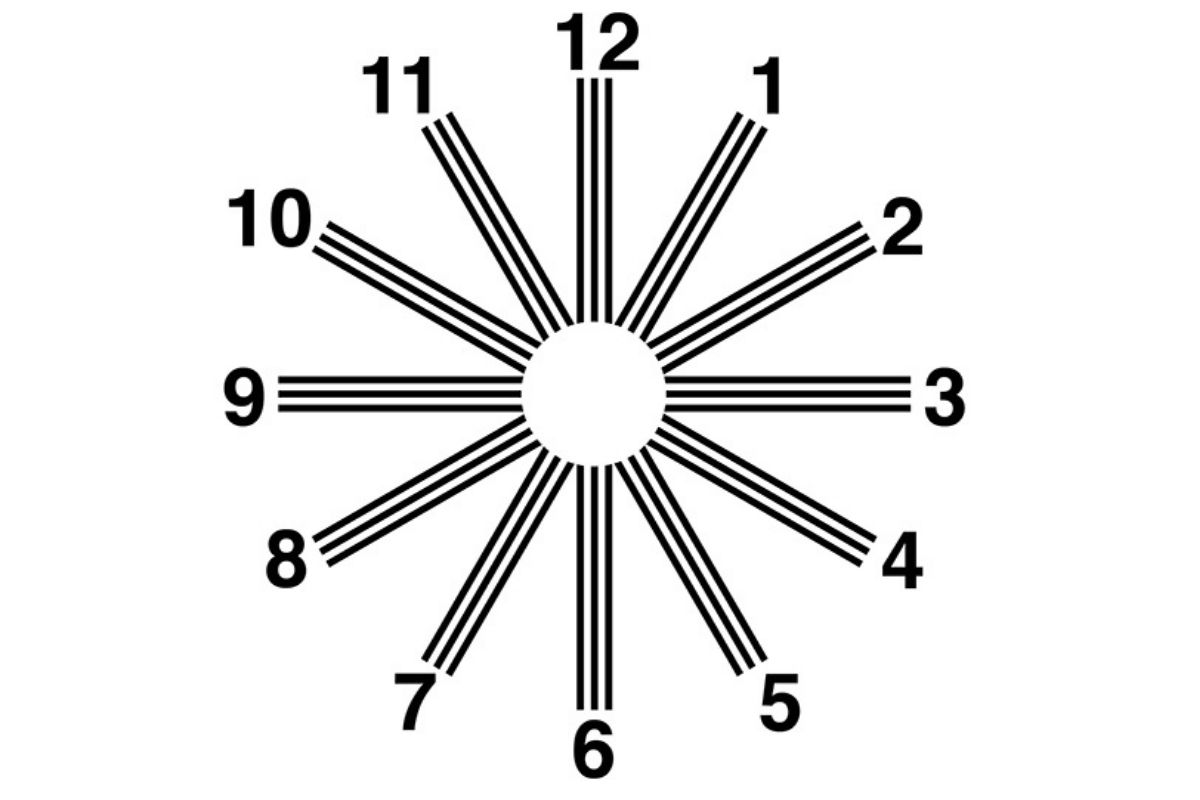
Astigmatism Test Online Test for Astigmatism Eye Pain Center
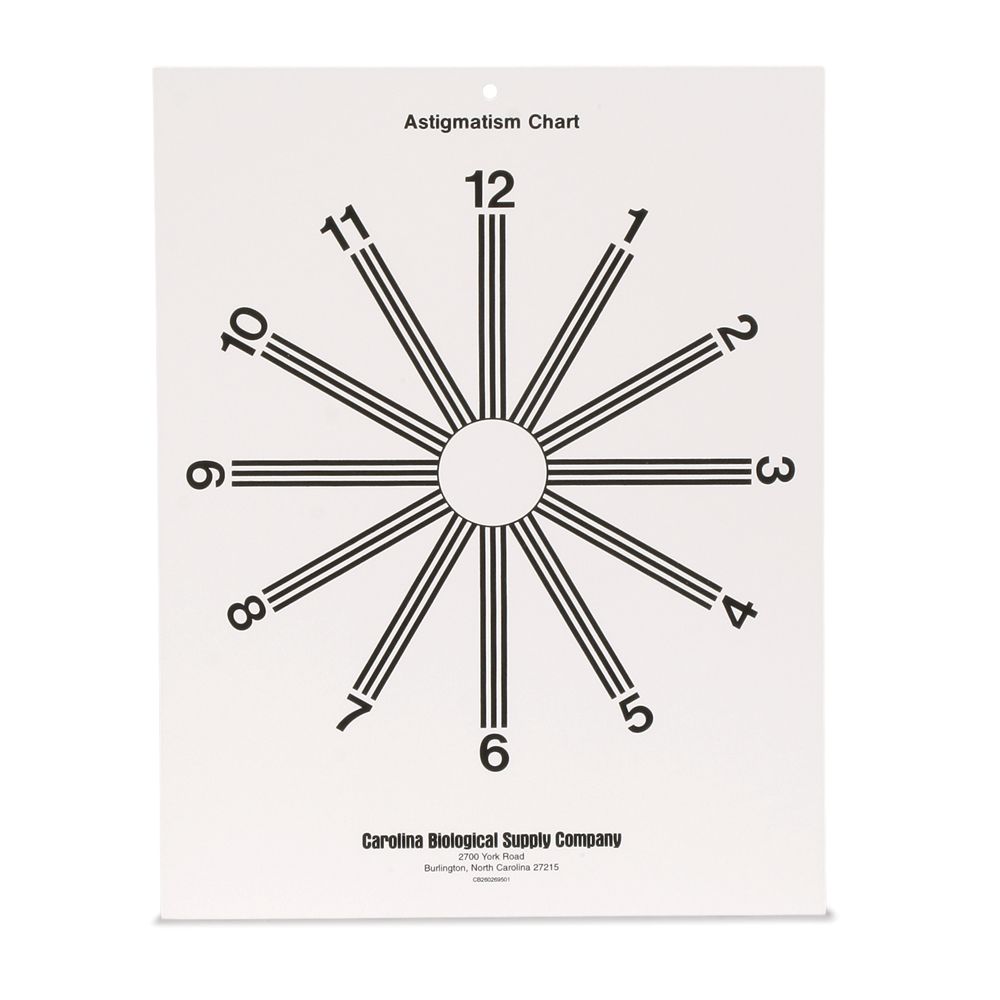
Astigmatism Test Chart, Pack of 3
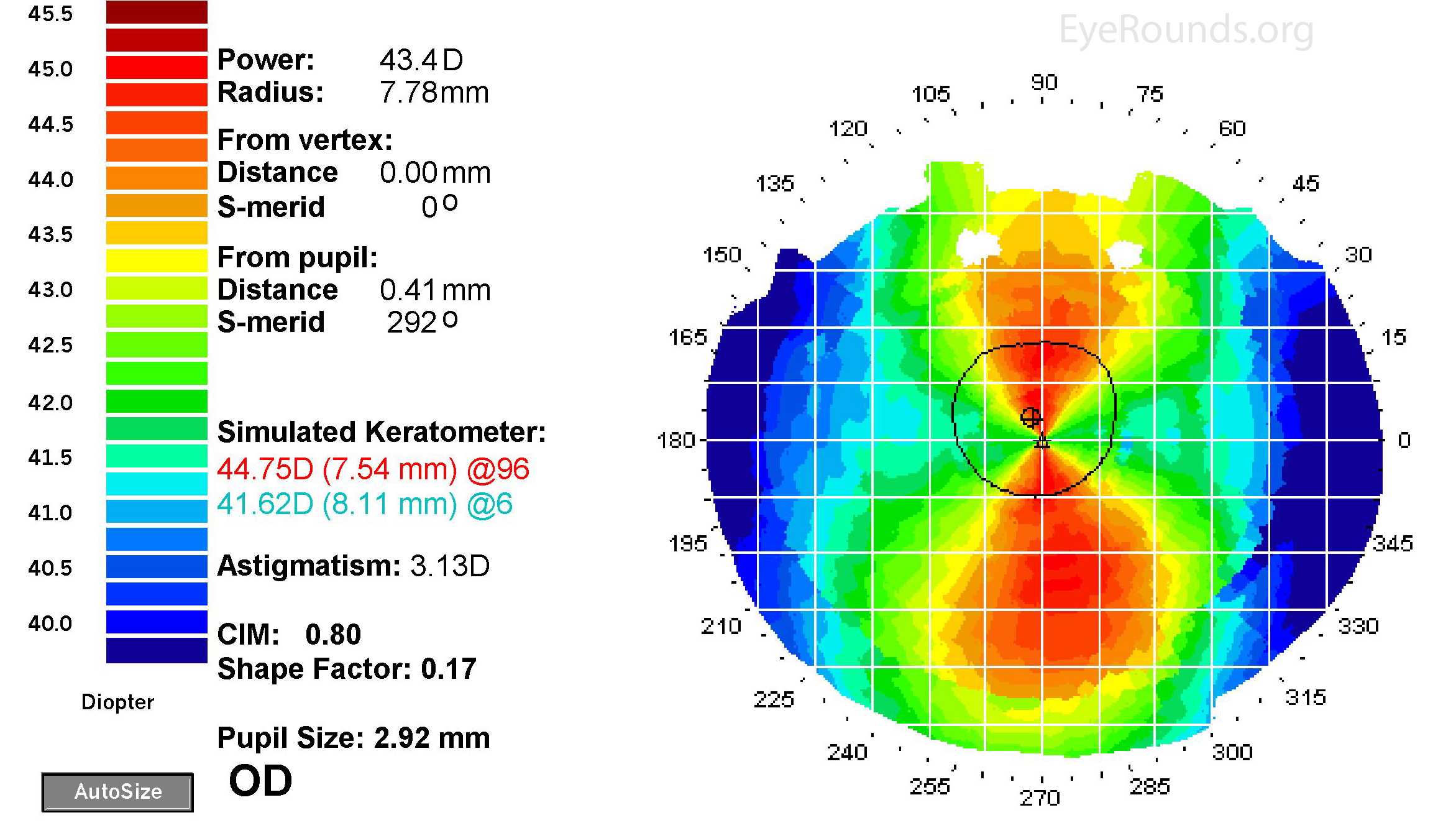
Withtherule corneal astigmatism
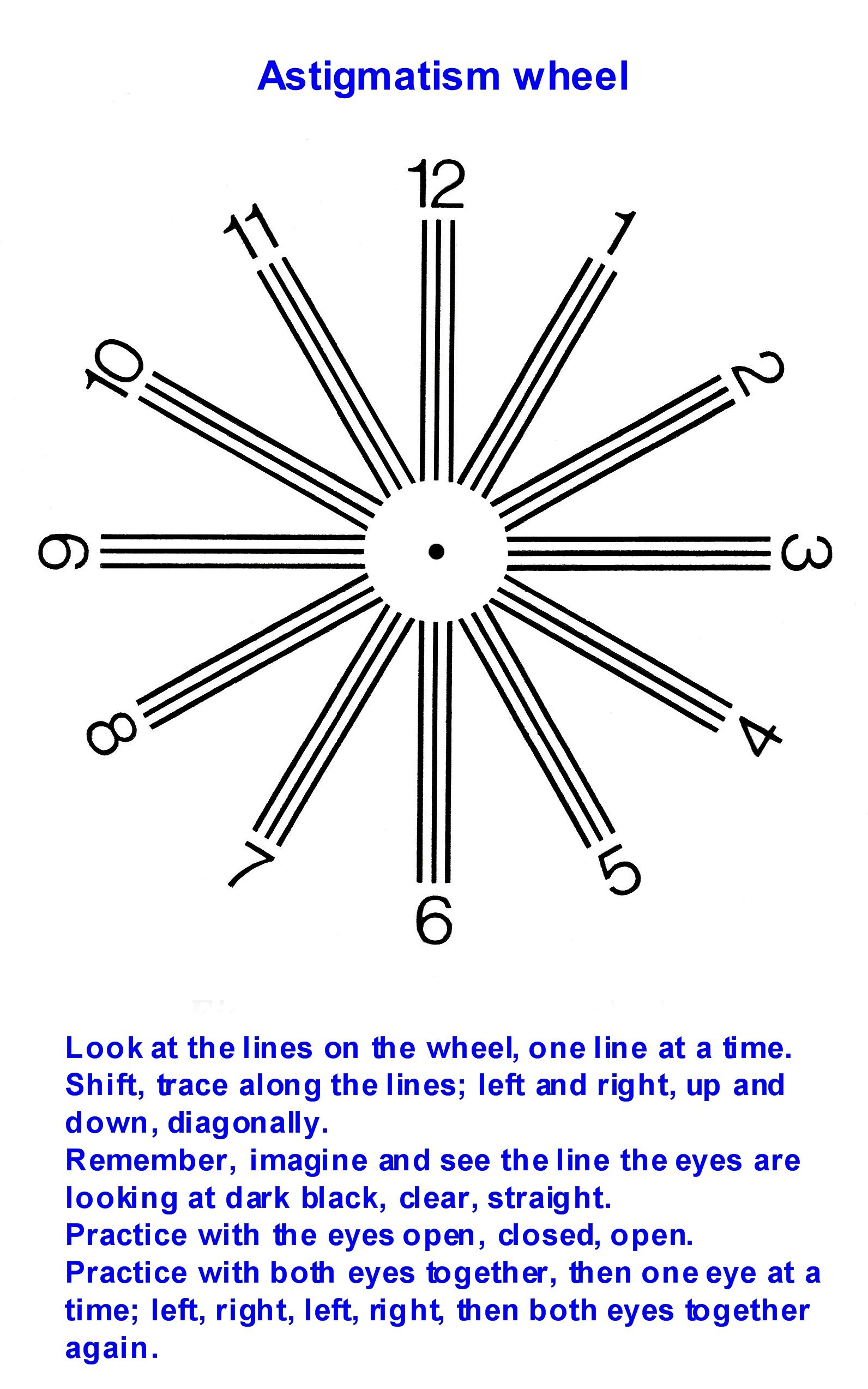
ASTIGMATISM REMOVAL
عینک eyewear Astigmatism آستیگماتیسم

What is the Astigmatism Axis? (with pictures)
You Will Be Asked To Read Letters On An Eye Chart.
Think Of Meridians As Lines Connecting Numbers On The Opposite Sides Of A Clock.
If You Don’t Have Cyl Values Listed In Your Prescription, Then You Don’t Have Astigmatism.
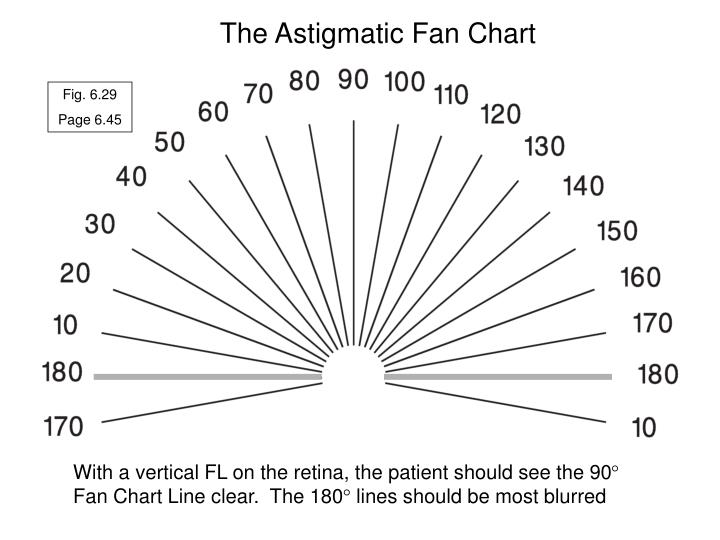
Two Of The Most Commonly Used Astigmatism Chart Are The Clock Dial Chart And The Astigmatism Fan Chart.
Related Post: