
Anchor Charts For Story Elements
Anchor Charts For Story Elements - Encourage students to use descriptive language to capture the essence of each setting. Web in this post, you’ll learn about the elements of a plot and how they are used in plot anchor charts. Encourage students to refer to these charts regularly as they explore the world of literature. There are also 17 useful examples of anchor charts to work from. Web create an anchor chart of story elements that students will include in their personal narrative. Encourage students to consider where their memory or event took place, use a sequence of events so that it is clear to the reader, add details that are important and stick with the small moment of the memory, develop the characters to help the. Where and when the story takes place. Web here are the most important ones upper elementary students should see on a narrative writing anchor chart. In this post, you will learn about retelling anchor charts. In just minutes you can print, assemble, and have the anchor chart ready for use. 114 pdf +video + 30+digital slides. Identify characters identify setting (time and place) identify the plot (main events in sequence) step 2. This is the complete collection of math and. In this post, you will learn about retelling anchor charts. Web setting sensory chart: Math and literacy anchor chart mega bundle. When using anchor charts, we work together to create big ones as a class but we also use smaller versions for reference around the room once the large ones come down. Web story structure anchor chart story elements worksheets graphic organizers. Web put everything you learned into practice with our free story elements worksheet pdf. 2nd grade, 3rd grade, 4th grade, 5th grade file formats: As you teach a lesson, you create a chart that captures the most important information, the strategies, and content that you want students to refer to later. This pdf includes a blank story elements anchor chart or graphic organiser, two completed examples and an explanation of each of the story elements. Web in this post, you’ll learn about the elements. Web i created this story elements anchor chart with various colors to help students visualize the different elements. The more they use it, the easier it will be for them to. When first introducing or teaching, i highly recommend a shorter picture book, such as those shoes by maribeth boelts. In just minutes you can print, assemble, and have the. The more they use it, the easier it will be for them to. Web story structure anchor chart story elements worksheets graphic organizers. 17 teacher created plot anchor chart; Introduce and describe the main characters. Different ways of presenting plot in anchor charts; Web here are the most important ones upper elementary students should see on a narrative writing anchor chart. Web free, downloadable story elements anchor chart resources including printable charts, graphic templates for elementary, middle, high school. Includes free printables and book project! Key elements of a good plot anchor chart; The sequence of events that make up the story. Web in this resource, you’ll get 17 elements of fiction anchor charts formatted in the following ways: This worksheet pack is great for planning your own story: They cover plot structure, characters, settings, and more. Where and when the story takes place. Introduce and describe the main characters. Identify the problem in the story discuss simple themes (such as the lesson in a fable) English language arts, reading, literature. Develop a chart that allows students to explore the five senses (sight, smell, taste, touch, and hearing) related to different story settings. When first introducing or teaching, i highly recommend a shorter picture book, such as those shoes by. Encourage students to refer to these charts regularly as they explore the world of literature. As you teach a lesson, you create a chart that captures the most important information, the strategies, and content that you want students to refer to later. The more they use it, the easier it will be for them to. They can use story structure. Web a story elements anchor chart helps students recognize different parts of a story. As you teach a lesson, you create a chart that captures the most important information, the strategies, and content that you want students to refer to later. Math and literacy anchor chart mega bundle. Web put everything you learned into practice with our free story elements. When first introducing or teaching, i highly recommend a shorter picture book, such as those shoes by maribeth boelts. Web anchor your students’ reading skills with these story elements and story structure anchor charts posters and cards for 2nd, 3rd, 4th, 5th, and 6th grade! This pdf includes a blank story elements anchor chart or graphic organiser, two completed examples. Encourage students to consider where their memory or event took place, use a sequence of events so that it is clear to the reader, add details that are important and stick with the small moment of the memory, develop the characters to help the. Web put everything you learned into practice with our free story elements worksheet pdf. Encourage students. Plot anchor chart resources from teachsimple; *anchor chart comes with a coordinating graphic organizer. What happens in the story? Web an anchor chart is a tool used to support instruction (i.e., “anchor” the learning for students). The more they use it, the easier it will be for them to. Web these 15 clever anchor charts for teaching story elements are sure to engage your students and foster a deeper understanding of literature. When using anchor charts, we work together to create big ones as a class but we also use smaller versions for reference around the room once the large ones come down. This is the complete collection of math and. Web create an anchor chart of story elements that students will include in their personal narrative. They cover plot structure, characters, settings, and more. I have a story elements graphic organizer to match it on my page as well. Web i created this story elements anchor chart with various colors to help students visualize the different elements. Web in this resource, you’ll get 17 elements of fiction anchor charts formatted in the following ways: When first introducing or teaching, i highly recommend a shorter picture book, such as those shoes by maribeth boelts. Develop a chart that allows students to explore the five senses (sight, smell, taste, touch, and hearing) related to different story settings. Identify the problem in the story discuss simple themes (such as the lesson in a fable)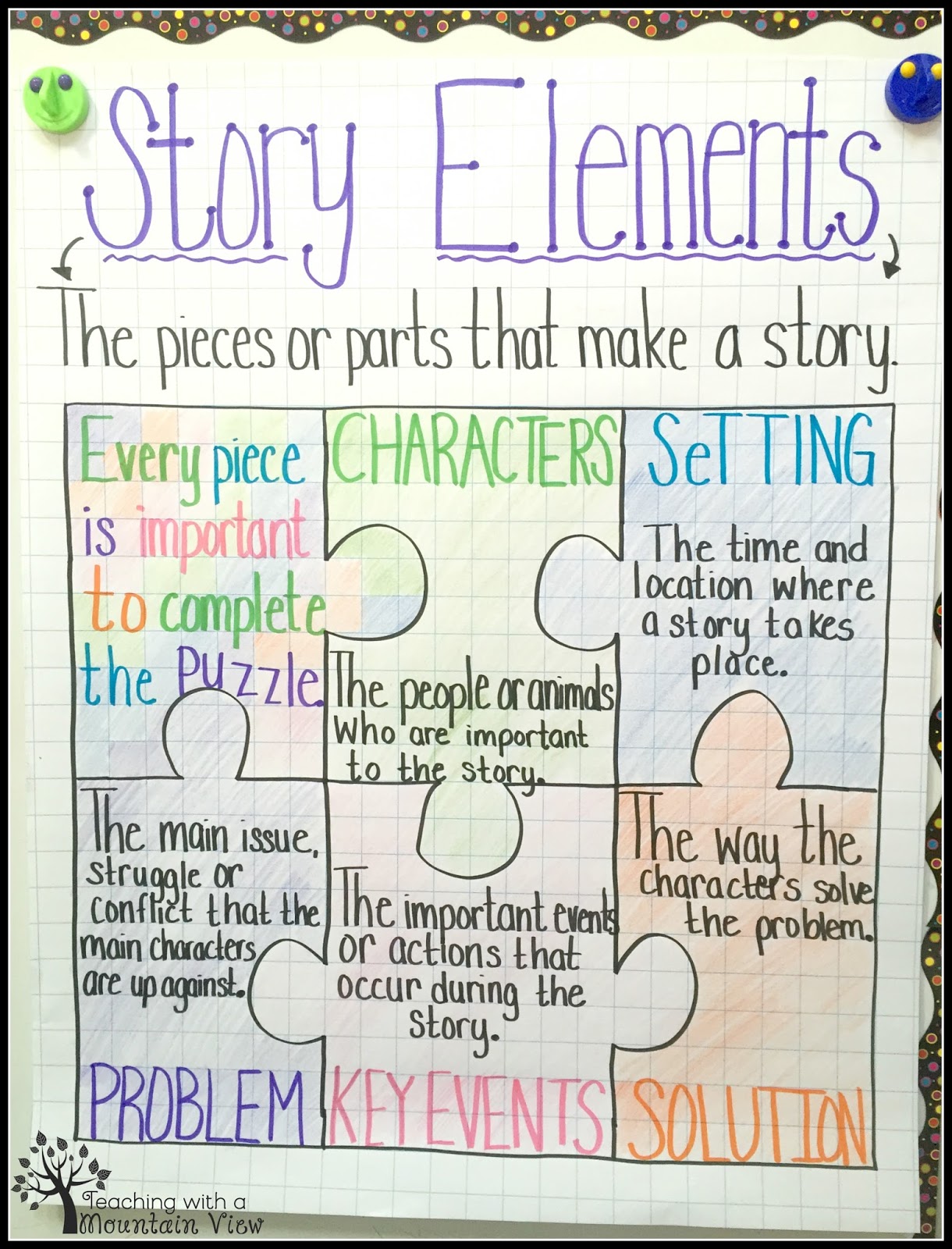
Teaching With a Mountain View Teaching Story Elements & A WONDER Freebie!
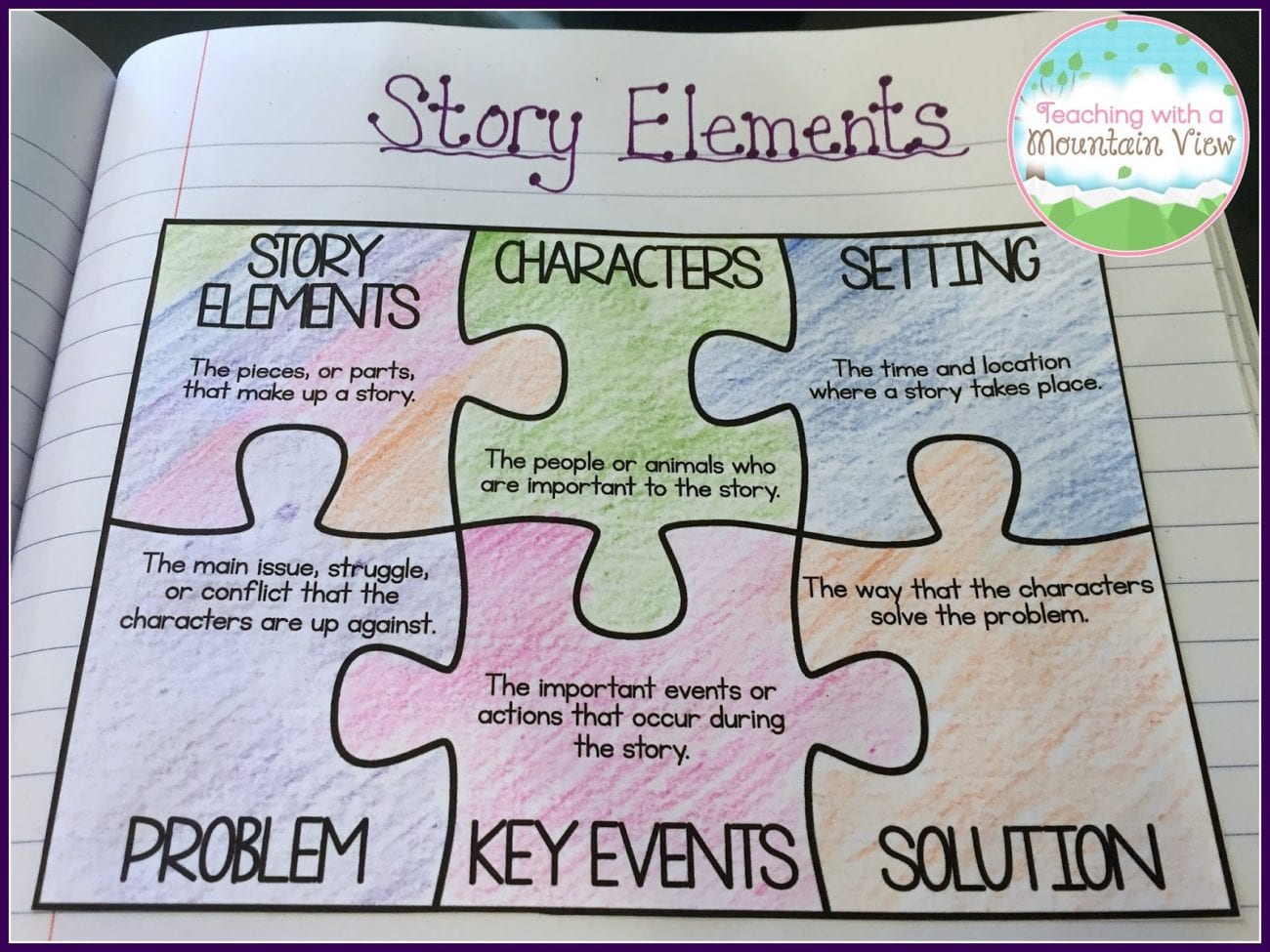
Just 23 Totally Perfect 4th Grade Anchor Charts We Are Teachers

Story elements anchor chart Story elements anchor chart, Anchor

Story Elements Anchor Chart Story elements anchor chart, Kindergarten

Story Elements Anchor Chart

Story Elements Anchor Chart Story elements anchor chart, Kindergarten
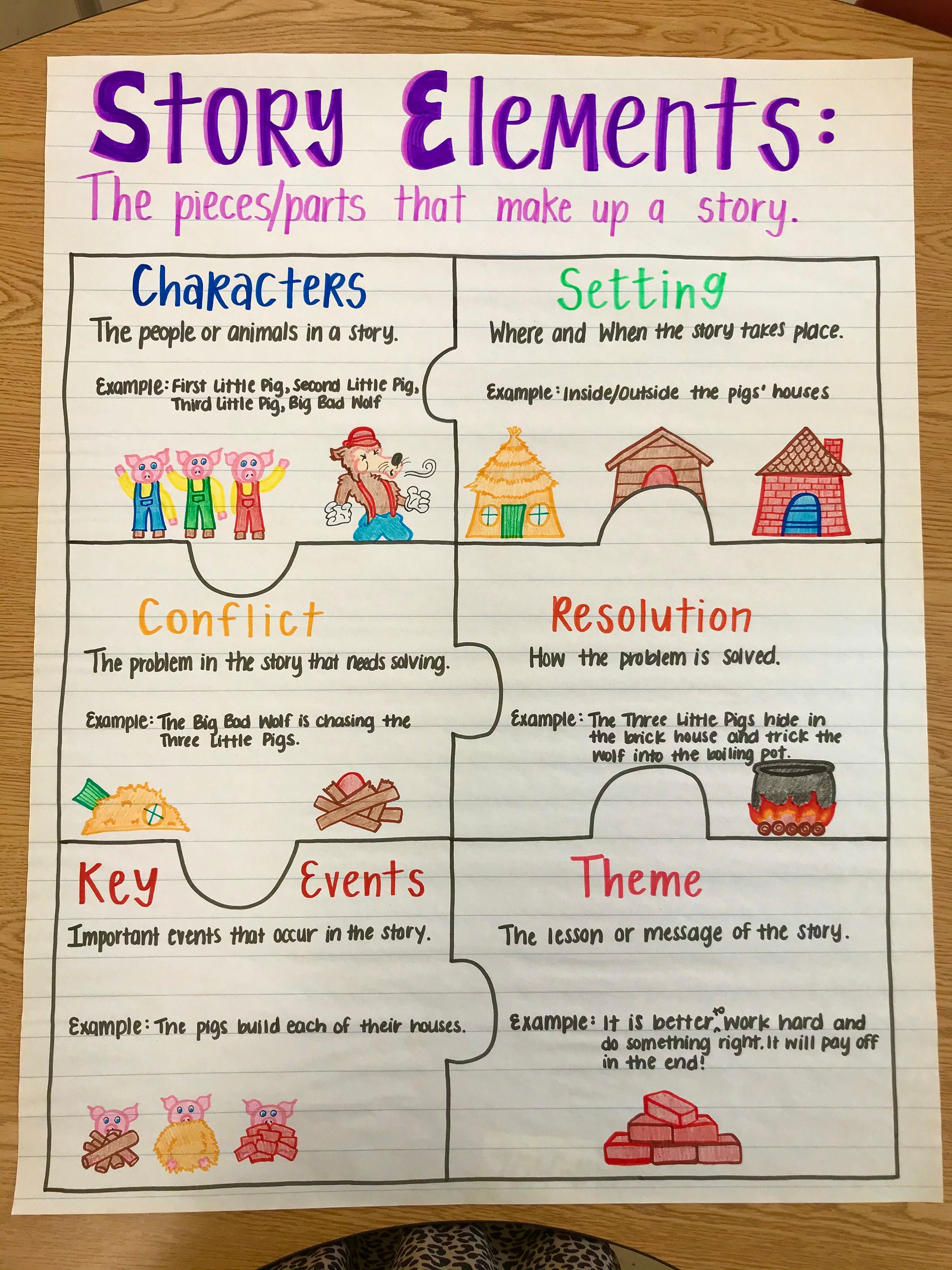
Story Elements Anchor Chart Etsy

story elements anchor chart Story elements anchor chart, Kindergarten

Story Elements Posters These 17 mini anchor charts are a great addition

Anchor chart on story elements viralquest
Encourage Students To Consider Where Their Memory Or Event Took Place, Use A Sequence Of Events So That It Is Clear To The Reader, Add Details That Are Important And Stick With The Small Moment Of The Memory, Develop The Characters To Help The.
English Language Arts, Reading, Literature.
Two Versions Of The Plot Development Roller Coaster Chart Are Included.
In Just Minutes You Can Print, Assemble, And Have The Anchor Chart Ready For Use.
Related Post: